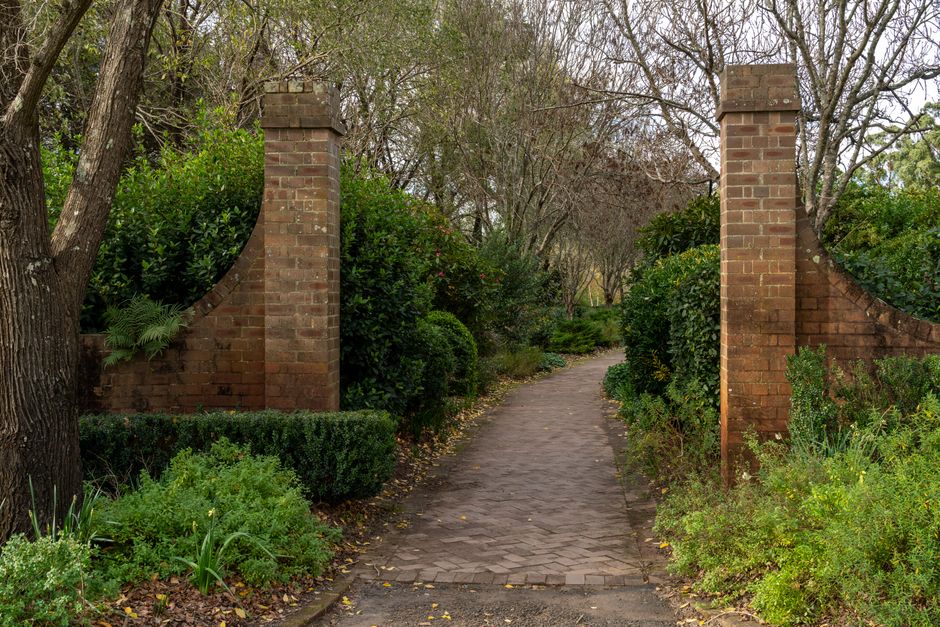
Well Hall Estate driveway access for Eltham gardeners
If you live in or near Well Hall Estate, you already know that a simple garden visit can turn complicated fast. A van needs space, tools need unloading, and nobody wants wheelbarrows, compost bags, or hedge trimmers blocking a narrow frontage at the wrong moment. That is exactly why Well Hall Estate driveway access for Eltham gardeners matters. It is not just about parking. It is about making the whole job smoother, safer, and less stressful for everyone involved.
In this guide, we'll look at how driveway access affects garden work on Well Hall Estate, what good access planning looks like in practice, and how Eltham gardeners can avoid the usual headaches. Whether you need routine garden maintenance, a one-off tidy-up, or something more involved like garden clearance, access is often the difference between a job that flows and a job that drags.
Truth be told, most people only think about access after a van has arrived and there is nowhere sensible to stop. A little planning before that point saves time, protects paving, and keeps neighbours happier too.
Table of Contents
- Why Well Hall Estate driveway access matters
- How driveway access works in practice
- Key benefits and practical advantages
- Who this is for and when it makes sense
- Step-by-step guidance
- Expert tips for better results
- Common mistakes to avoid
- Tools, resources and recommendations
- Law, compliance, standards and best practice
- Options and comparison table
- Case study or real-world example
- Practical checklist
- Conclusion
- Frequently asked questions
Why Well Hall Estate driveway access for Eltham gardeners Matters
Driveway access sounds like a small detail, but on estates like Well Hall it can shape the entire visit. Many homes have shared approaches, compact driveways, close boundaries, or parking that is already tight by late morning. If a gardener cannot get close enough to the work area, even a straightforward job becomes slower and messier.
Here's the practical side of it. Easy access means tools can be unloaded safely, heavy waste can be moved without dragging it through a front path, and machinery such as lawn mowers or pressure sprayers can be set up without fuss. It also reduces the chance of awkward handling, which is always where little accidents tend to happen. Not dramatic stuff, just the kind of nuisance that leaves someone sore the next day.
On Well Hall Estate, access also affects neighbour relations. A van parked badly can block sightlines, annoy residents, or leave a driveway scratched by repeated manoeuvring. Good access planning keeps things calm. That matters if you want regular garden work done properly, not just once.
There is another layer too: time. Gardeners working across Eltham often schedule several visits in a day. If access is predictable, the team can arrive, assess, and start quickly. If not, the whole flow breaks down. In real terms, that can influence price, timing, and what can be achieved in a visit.
How Well Hall Estate driveway access for Eltham gardeners Works
Most of the time, the process is simpler than people expect. A gardener will usually want to know three things before arrival: where to stop, how far tools need to be carried, and whether access is shared, gated, or restricted in any way. That information lets the team decide what to bring and how to sequence the work.
For smaller jobs, a driveway can act as a temporary working base. Tools are unloaded, waste bags are staged, and jobs like lawn mowing or hedge trimming can be completed with minimal disruption. For larger projects, access becomes more about logistics. Can a trailer reverse in? Is there turning room? Is the surface strong enough for heavier items? That sort of thing.
Here is a realistic example. A gardener coming to prune overgrown shrubs may need to bring ladders, secateurs, a hedge trimmer, tarps, and waste sacks. If the van can park within a short, safe carry distance, the job is tidy and efficient. If the tools must be carried around parked cars and up several steps, the same job takes longer and feels twice as clumsy. No one enjoys that. No one.
Driveway access is also linked to how the property is used on the day. If children are leaving for school, neighbours are sharing the drive, or a delivery is expected, the plan needs to flex. Good gardeners build in that flexibility rather than forcing the property to fit the work.
Key Benefits and Practical Advantages
When driveway access is sorted properly, the benefits are immediate and very visible. You will notice the job starting sooner, the site staying tidier, and fewer awkward pauses while someone works out how to get a wheelbarrow past a flower bed.
- Faster setup: tools and materials can be unloaded close to the work zone.
- Less strain: shorter carrying distances reduce lifting and handling risks.
- Cleaner finish: waste can be removed more efficiently, which is especially helpful after clearance or pruning work.
- Better protection for surfaces: fewer unnecessary trips across lawns, paving, or planting areas.
- Reduced disruption: less noise, less blockage, and less fuss for residents and neighbours.
- Improved scheduling: the team can work more predictably and keep the day on track.
There is also a quiet cost benefit. It is not always about a lower headline price. Sometimes access simply allows the gardener to do more in the time available. That can make the difference between a half-finished tidy-up and a genuinely satisfying result.
For larger jobs, access can help with waste segregation too. If there is room to sort green waste, timber offcuts, and general garden debris sensibly, the whole process becomes easier to manage, especially when paired with a broader approach to recycling and sustainability.
Who This Is For and When It Makes Sense
This topic matters to a surprisingly wide group of people. If you own a home on Well Hall Estate, rent locally, manage a property, or simply want your outdoor space kept in shape without disruption, driveway access is worth thinking about before the gardener arrives.
It is especially relevant if you are:
- booking regular seasonal maintenance;
- arranging overgrown hedge work or pruning;
- having a full tidy-up after a long period of neglect;
- planning landscaping changes that involve materials coming and going;
- preparing for a sale or letting inspection;
- trying to make recurring garden visits less disruptive to family life.
It also makes sense for properties with shared parking, limited turning space, or a front garden that sits behind a boundary wall. In those settings, a quick conversation beforehand can prevent the classic "where on earth should I park?" moment. We've all seen that awkward pause.
For gardeners, it matters because access decisions influence what equipment is practical. For customers, it matters because a realistic access plan helps avoid surprise delays or extra labour on the day. Simple as that.
Step-by-Step Guidance
If you want the visit to go smoothly, use a clear process rather than leaving things to chance. A few minutes of planning before the appointment often saves twenty minutes of faffing around later.
- Check the access route. Walk from the street or parking point to the working area. Look for tight gates, bins, steps, parked cars, low branches, or narrow side passages.
- Decide where a vehicle can stop. If the driveway is usable, confirm whether it can safely take a van. If not, identify the nearest alternative with the least disruption.
- Confirm what needs carrying. Light maintenance tools are one thing; bags of soil, branches, or paving materials are another. Be honest about the volume.
- Clear the front space. Move cars, bins, toys, and anything that could block the approach. It sounds basic, but this is where many delays begin.
- Protect sensitive surfaces. If the driveway is decorative, newly laid, or prone to marking, tell the gardener in advance so they can take care with tyres, loaders, or heavy items.
- Agree the work order. For example, if hedge trimming is involved, you may want the driveway used as a safe drop zone first, then waste collected after the cut.
- Review at arrival. A quick walk-through with the gardener helps check the route, highlight concerns, and avoid assumptions.
If the job is larger or more complex, it can help to review the broader service scope as well. The services overview is a useful starting point if you are comparing maintenance, clearance, and landscaping options.
A small detail, but a useful one: if rain is forecast, ask how wet paving or slopes might affect parking and carrying. A damp morning on polished paving changes the feel of the whole visit. Slippery surfaces and heavy sacks are not a great mix, let's be honest.
Expert Tips for Better Results
After enough garden visits, one pattern becomes obvious: the best jobs are usually the ones with the clearest access plan. Nothing glamorous, just solid preparation.
Keep the access route as short and straight as possible
Even a few extra metres matter when someone is carrying tools, pruning waste, or decking components. Shorter routes reduce time and help preserve the finish of lawns, paths, and borders.
Give the gardener one clean point of entry
If there are several possible ways in, pick one and stick to it unless there is a good reason to change. Mixed messages create hesitation, and hesitation costs time.
Think about the job, not just the parking
A driveway might be fine for a small mower, but not for a trailer, tree waste, or bags of soil. If the plan involves heavier work such as tree lopping and removal, access needs to be more carefully judged.
Use mats or temporary protection where sensible
On delicate drives, simple protection can help avoid scuffs from tyre turns, dripping organic waste, or repeated foot traffic. It is a low-effort precaution that often prevents awkward conversations later.
Tell the team about awkward bits before they arrive
Low archways, loose gravel, steep steps, locked side gates, and overhanging branches are all easy to miss in a quick phone call. Once on site, they are impossible to ignore.
Expert summary: the most reliable driveway access plan is not the fanciest one. It is the one that makes the route clear, protects the property, and gives the gardener enough space to work without second-guessing every move.
Common Mistakes to Avoid
Most access problems are not dramatic. They are small, ordinary oversights that add up. And yes, they are entirely avoidable in many cases.
- Assuming any van can fit anywhere. Driveways vary more than people think, and turning space matters as much as the straight line in.
- Leaving cars in place until the last minute. That forces rushed manoeuvring and can create delays right when work should be starting.
- Forgetting about waste removal. A route that works for tools may not work for heavy garden bags or branches on the way back out.
- Not checking gate widths. A gate that feels "about right" may still be too tight for equipment or bulkier items.
- Ignoring neighbours or shared users. On estates, driveways are often part of a shared rhythm. Disruption travels faster than people expect.
- Failing to mention surface sensitivity. Resin, block paving, old concrete, and loose gravel all need different handling.
One of the more common frustrations is a customer saying, "It should be fine." To be fair, it often isn't, not without a bit of checking. A five-minute look outside before the appointment can save everyone a sigh later.
Tools, Resources and Recommendations
You do not need special equipment just to plan driveway access, but a few practical items and habits make things much easier. Think of this as the quiet side of good garden work.
- Measuring tape or marked pacing: useful for checking gate widths, driveway length, and turning room.
- Notebook or phone notes: jot down where cars should move, which gate is used, and any site concerns.
- Temporary cones or markers: helpful if a parking space or drop zone needs to be kept clear on the day.
- Old sheets or protective mats: sensible for delicate surfaces where foot traffic may be heavier than usual.
- Clear communication before arrival: perhaps the simplest tool of all, and still the one people underuse.
If you are comparing service types, it can help to match access with the job itself. Regular visits such as garden maintenance usually need simple, repeatable access. A one-off clearance may require room for bulkier waste. And work involving structure or design often benefits from a wider planning discussion with landscape gardening or landscaping needs in mind.
For residents who prefer a steadier, ongoing service, it is also worth asking how access preferences are recorded for repeat visits. That small admin detail can make the second visit feel easier than the first. Which, frankly, is how it should be.
Law, Compliance, Standards and Best Practice
Driveway access itself is rarely a standalone legal issue, but it does sit alongside broader responsibilities around safety, property care, and considerate working practices. In the UK, good garden work should be carried out with attention to safe handling, reasonable care for surfaces, and proper movement of tools and waste.
That means a sensible gardener should think about:
- safe parking and manoeuvring;
- keeping routes clear for people on the property;
- avoiding unnecessary damage to paving, walls, or edging;
- using equipment appropriately for the conditions;
- managing waste and materials responsibly.
For customers, the best practice is straightforward. Give accurate information, flag hazards early, and do not ask anyone to squeeze heavy kit through a route that is plainly unsuitable. If a driveway is slippery, uneven, or shared, mention it. Nobody benefits from surprises in that situation.
It is also sensible to check that the company you choose has clear policies around safety and public liability cover. If you want reassurance on working standards, a page like insurance and safety can help you understand the kind of checks that matter before work begins. For background on how a business handles complaints or service concerns, the complaints procedure is another useful sign of how seriously they take service quality.
Best practice also includes transparent pricing. If access is limited, it is better that this is discussed early rather than treated as a surprise after the van arrives. A clear quote process makes everyone's life easier, so it is worth reviewing pricing and quotes before booking.
Options, Methods, or Comparison Table
Not every property on Well Hall Estate will use driveway access in the same way. Some homes have straightforward front drives. Others rely on street parking or shared approaches. The right method depends on the layout and the size of the job.
| Access option | Best for | Strengths | Drawbacks |
|---|---|---|---|
| Use the driveway as the main working base | Routine maintenance, hedge trimming, light clearance | Fast setup, tidy workflow, less carrying | Not suitable if the drive is very narrow or fragile |
| Park near the property and carry tools in | Smaller jobs or restricted drives | Flexible, often simple to arrange | More manual handling, slower for bigger jobs |
| Use a staged drop-off approach | Larger clearance or landscaping work | Good for managing bulk items and protecting surfaces | Needs more planning and space on site |
| Work from a shared access point | Estate properties with communal frontage | Can reduce disruption when managed well | Requires extra consideration for neighbours and timing |
In practice, the best option is usually the one that keeps the route short and the work area calm. If a drive is perfect for small maintenance but awkward for heavier waste, a mixed approach may be best. That is normal. Not every site needs a perfect textbook setup, thankfully.
Case Study or Real-World Example
Here is a realistic example from a typical Well Hall Estate visit. A homeowner wanted a front hedge cut back, borders cleared, and a general tidy-up before a family gathering. The driveway was usable, but tight enough that a full-size van could not stay at an angle without blocking the turning space.
Instead of trying to force the issue, the gardener and homeowner agreed a better arrangement before starting. The car was moved, the bins were set aside, and the tools were unloaded in one clear area. The hedge waste was bagged as it came down, then loaded in a single run at the end. No back-and-forth. No walking through flower beds. No irritated pause while someone tried to move a wheelbarrow past the gate.
The result was not flashy, just efficient. The job finished cleanly, the driveway stayed protected, and the family could use the front space again that evening. That is the kind of outcome most people actually want. Quiet success. Job done. Tea on the go.
In another scenario, a resident arranging ongoing lawn care found that a standing driveway access arrangement made each visit easier. The team knew where to stop, what to avoid, and how to come and go without knocking the day off balance. Small system, big benefit.
Practical Checklist
Use this before any gardening visit on Well Hall Estate where driveway access might matter.
- Confirm the best stopping point for the van.
- Check whether the driveway can safely take the vehicle.
- Clear cars, bins, toys, bikes, and loose items.
- Measure or estimate gate width if equipment must pass through.
- Tell the gardener about slopes, steps, gravel, or delicate surfaces.
- Agree whether the driveway will be used for unloading, working, or waste removal.
- Flag any shared access concerns or neighbour parking issues.
- Make sure the access route is well lit if the visit is early or late in the day.
- Ask what equipment is being brought so you can judge space properly.
- Review whether the job may need more than one visit, especially for larger projects.
If you want to keep gardens in shape after the initial visit, ongoing services such as lawn mowing and regular garden maintenance often work best with the same access routine each time.
Get a free quote today and see how much you can save.
Conclusion
Well Hall Estate driveway access for Eltham gardeners is really about making everyday garden work easier, safer, and more respectful of the property and the people around it. When access is planned well, jobs begin smoothly, tools stay manageable, and the finish usually looks better too.
Whether you need a light tidy, a heavier clearance, or ongoing outdoor care, a little thought about vehicle access and working routes can save time and reduce stress. It is one of those small details that pays off immediately, then keeps paying off every time the gardener returns.
If you are weighing up options for a property on Well Hall Estate, start with the access route, then build the work plan around it. Simple, sensible, and usually the best way forward.
Frequently Asked Questions
What does Well Hall Estate driveway access mean for gardeners?
It means planning how a gardener's vehicle, tools, and waste will reach the property and where they can safely stop. On estates, this often affects speed, safety, and the overall finish of the job.
Why does driveway access matter so much for garden work in Eltham?
Because a short, clear access route reduces carrying distance, limits disruption, and helps gardeners work efficiently. If access is awkward, even small jobs can take longer than they should.
Can gardeners work if the driveway is too narrow for a van?
Yes, often they can. They may park nearby and carry tools in, but it usually changes the workflow and may affect how long the job takes.
Should I move my car before the gardener arrives?
Usually, yes. If the driveway or frontage is part of the access plan, clearing it in advance saves time and avoids rushed manoeuvring when the team gets there.
Does driveway access affect the price of garden services?
It can, depending on how much extra time, carrying, or handling is involved. It is best to discuss access early so the quote reflects the actual site conditions.
What kind of jobs need the best access?
Larger clearance work, hedge cutting with lots of waste, landscaping, and any job involving heavy materials usually benefit most from straightforward driveway access.
How can I protect my driveway during garden work?
Clear loose items, tell the gardener about delicate surfaces, and consider temporary protection where appropriate. Good communication matters more than anything else, to be fair.
What if my property has shared access with neighbours?
Then it helps to agree parking and movement in advance. Shared access works best when everyone knows the plan and the working area is kept tidy.
Do I need to measure the driveway before booking?
You do not always need exact measurements, but knowing whether a van can fit, whether the gate is wide enough, and whether there is turning room is very helpful.
Is driveway access important for regular garden maintenance?
Yes. Regular visits are much smoother when the access route stays consistent. It helps the gardener settle into a routine and keeps each visit predictable.
What should I tell the gardener before the appointment?
Tell them where to park, how to reach the garden, whether there are gates or steps, and anything that could affect movement, such as gravel, slopes, or parked cars.
Where can I find more about the company's service standards?
You can review the site's background pages such as about us, along with the pages covering safety, payment, and service structure, which help build a clearer picture of how work is handled.