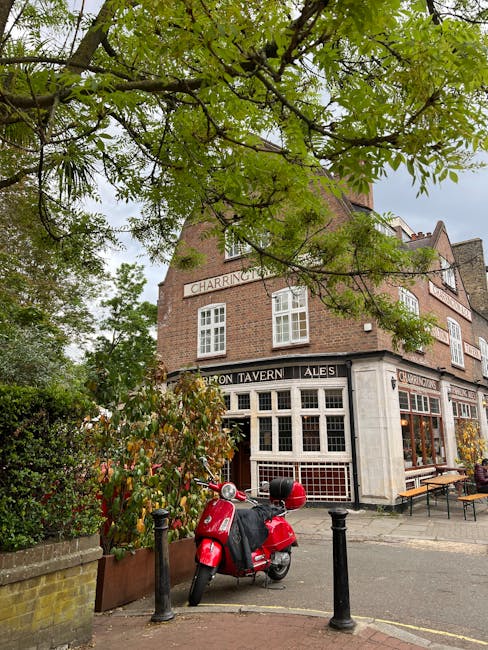
Pub beer garden revamp by Eltham gardeners case study
If a pub garden looks tired, patchy, or awkward to use, people notice fast. The seating may be fine, the drinks may be great, but the outdoor space tells its own story. This Pub beer garden revamp by Eltham gardeners case study explores what goes into turning a scruffy, underused beer garden into a space that feels inviting, tidy, and commercially useful. It is written for pub owners, managers, landlords, and anyone weighing up a refresh that needs to work in the real world, not just on a mood board.
In a pub setting, a garden has to do a lot at once: handle foot traffic, stay presentable, drain properly, and still feel relaxed enough for a sunny pint on a Saturday afternoon. That balance is harder than it sounds. The good news? With the right planning, you can improve how the space looks, how it performs, and how long it stays manageable. Let's get into the detail.
Table of Contents
- Why this revamp matters
- How the revamp works
- Key benefits and practical advantages
- Who this is for and when it makes sense
- Step-by-step guidance
- Expert tips for better results
- Common mistakes to avoid
- Tools, resources and recommendations
- Law, compliance, standards and best practice
- Options, methods and comparison table
- Case study or real-world example
- Practical checklist
- Conclusion
- Frequently asked questions
Why Pub beer garden revamp by Eltham gardeners case study Matters
A beer garden is not just extra outdoor space. For many pubs, it is the part of the business that changes the mood of the whole venue. When it is clean, well laid out, and easy to maintain, it can make the pub feel more welcoming before a customer has even ordered. When it is neglected, the whole place can feel a bit unloved. Harsh, but true.
This is why a Pub beer garden revamp by Eltham gardeners case study matters: it shows how practical landscaping decisions affect both atmosphere and day-to-day operations. A revamp is rarely about one dramatic feature. More often, it is a mix of smaller improvements that add up: smarter planting, clearer circulation, better ground levels, improved edging, tougher surfaces, and maintenance that does not collapse after the first busy weekend.
Pub gardens also have a different pressure profile from private gardens. They see more people, more spills, more bins, more wear around entrances, and more seasonal change. A layout that looks lovely in April can become frustrating by July if it has no structure or maintenance plan. That is where a professional approach from local gardeners makes a real difference.
To be fair, many pub teams already know what is wrong with their outdoor space. The issue is turning that vague feeling into an actual plan. That is where a case study approach helps: it breaks the work into practical stages and shows which choices tend to last.
Expert summary: A successful pub beer garden revamp is not about overdesigning the space. It is about creating a durable, attractive, easy-to-run outdoor area that keeps its shape when the weather turns, the footfall rises, and the weekend rush arrives.
How Pub beer garden revamp by Eltham gardeners case study Works
At a basic level, the process starts with a site assessment. That sounds obvious, but in practice it is where most good decisions are made. The gardener or landscaper looks at sunlight, drainage, access, existing surfaces, boundaries, planting condition, safety pinch points, and the way staff and customers actually move through the space.
A pub garden revamp usually follows a sequence like this:
- Assess the current condition. Identify poor drainage, broken edges, worn lawns, patchy planting, trip hazards, and dead areas that never recover.
- Define the function of the space. Decide whether the garden needs more seating, better circulation, a calmer atmosphere, a family zone, or all of the above.
- Choose hard landscaping and soft landscaping together. In other words, surfaces, steps, borders, planting, and any timber features need to work as one system.
- Clear out the clutter. Old planters, weeds, wasted turf, debris, and tired features often have to go before the space can improve. A proper garden clearance phase usually saves time later.
- Install the new layout. This might include refreshed borders, timber edging, new turf, decorative stone, level changes, or structured seating zones.
- Finish with maintenance-friendly details. Good design for a pub should not create endless work. Simple access for mowing, trimming, watering, and cleaning matters more than people think.
What makes the process work is the coordination between visual design and practical upkeep. A lush border beside a narrow service path may look lovely on paper, but if staff keep brushing past it with crates, it will not stay lovely for long. Same with fragile surfaces in a high-traffic corner. That sort of thing is avoidable, but only if the layout is thought through properly.
In many revamps, the most useful improvements are not the flashy ones. Levelling an awkward patch, improving soil quality, or tightening up the edge between planting and seating can transform the feel of the place. Small changes, big difference. Funny how often that happens.
Key Benefits and Practical Advantages
A beer garden revamp is usually judged by appearance first, but the real benefits are broader than that. When done well, it helps the pub function better across the week, not just on the sunny days when everyone is outside with a cold drink in hand.
- Improved first impressions. A neat, structured garden tells people the venue is cared for.
- Better use of space. Seating areas, paths, planting, and service routes can all be made clearer.
- Lower maintenance stress. A sensible layout reduces time spent fighting weeds, repairing edges, or rescuing patchy lawn.
- More durable customer areas. Hard-wearing surfaces and tough planting schemes stand up better to footfall.
- Seasonal flexibility. The space can still feel good in winter or shoulder seasons if it has structure.
- Safer movement. Better levels, clearer routes, and tidier boundaries reduce avoidable trip risks.
- Stronger commercial appeal. Outdoor spaces can support dwell time and make the pub feel more usable overall.
There is also a quieter benefit that owners sometimes notice only after the work is done: staff find the garden easier to manage. That matters. If the team can sweep, mow, trim, and clean without awkward obstacles everywhere, the place stays sharper for longer. A garden that looks good for one week is not enough. You want a garden that behaves itself.
For many premises, combining garden design with ongoing upkeep through garden maintenance is what keeps the revamp from sliding backwards. A revamp is the start, not the finish.
Who This Is For and When It Makes Sense
This type of project makes sense for a wide range of pub settings. It is not limited to trendy city venues or big country inns. In fact, smaller local pubs often gain the most because a modest outdoor area can become much more usable with a few well-judged changes.
You may be a good fit if:
- your beer garden feels tired, overgrown, or disorganised
- customers do not stay outside for long because the space feels uncomfortable
- staff struggle to keep the garden tidy between busy periods
- you have uneven surfaces, patchy grass, or poor drainage after rain
- there is no clear flow between the pub entrance, seating, and service areas
- you want a more polished outdoor area without building something overcomplicated
It also makes sense if you are planning ahead for spring or summer trade. That is usually the smartest time to think about outdoor works, because the demand for the space is about to rise. If you leave it until the first hot spell, you may find yourself chasing the problem instead of solving it properly.
A revamp can be full-scale or fairly targeted. Sometimes the right answer is not a total redesign, but a practical refresh: turf repairs, hedge shaping, border tidy-up, and a better surface where tables sit. Other times, the space needs a more decisive reset, with a full landscaping rethink and a new maintenance rhythm.
Step-by-Step Guidance
If you are planning a pub beer garden upgrade, the most reliable approach is methodical. Not glamorous, perhaps, but it works.
1. Walk the space as a customer and as a staff member
Stand where customers arrive. Then walk the route staff use to carry items outside. Notice the pinch points, mud traps, awkward turns, and places where people naturally gather. A garden can look fine from the back door and still feel clumsy in use.
2. Decide what the garden should do
Some beer gardens are social spaces first. Others need to support dining, families, and quick drink stops at the same time. Be honest about the mix. If you want everything, the design has to make sense for everything. Otherwise it becomes a compromise that serves nobody very well.
3. Remove what is no longer earning its keep
This is where clearance comes in. Old timber, broken planters, spent plants, dead patches of grass, and accumulations of debris can make a space feel chaotic. Clearing them out creates room to make better decisions. If you need a deeper reset, a structured garden clearance can be the clean slate the project needs.
4. Set the structure before choosing the finishing touches
Good structure usually means clear routes, sensible edges, and surfaces that hold up. For some pubs, this includes features like timber platforms or defined seating zones. If that is relevant, a well-planned decking services approach can create a level, attractive area for tables without making the whole garden feel hard and flat.
5. Choose planting that suits a pub environment
Planting should be attractive, but also resilient. Low-maintenance shrubs, seasonal colour, and boundaries that soften hard edges often work better than high-drama planting that needs constant attention. The trick is balance. A pub garden should feel alive, not precious.
6. Build in maintenance from the beginning
Before the first plant goes in, think about who will mow, trim, water, clean, and inspect the space. If a feature makes routine care harder, it will become a problem later. This is where a practical service mix such as lawn mowing and hedge trimming helps keep the finished space looking intentional rather than neglected.
7. Review the finished space in real conditions
Look at it after rain. Look at it when people are moving through it. Look at it in evening light, too. A garden that photographs well at midday can read differently at 8pm with wet paving and busier traffic. That little check is worth doing.
Expert Tips for Better Results
Here are a few things that make a beer garden revamp more robust. Nothing fancy. Just the stuff that tends to separate a decent result from a genuinely good one.
- Keep planting simple near busy routes. Soft planting is lovely, but it should not poke into walkways or create snag points near seating.
- Use materials that age well. Outdoor hospitality spaces need surfaces and edges that still look presentable after repeated use.
- Work with drainage, not against it. If a corner gets soggy every time it rains, planting alone will not fix the issue.
- Match the design to your audience. A family-friendly garden and a late-night drinking space often need different layouts.
- Plan for bins, service, and storage. Unseen practicalities matter. Honestly, sometimes more than the fancy bits.
- Use maintenance as a design filter. If a feature is hard to maintain, ask whether it is earning its place.
One useful rule of thumb: if a feature needs explaining every week, it may be too clever. A pub garden should be easy to read. People should know where to sit, where to walk, and where the attractive bit begins. That clarity is doing a lot of quiet work.
For outdoor projects that need a broader redesign, it can help to review the wider offer in services overview so the revamp is planned as one joined-up project rather than a pile of disconnected fixes.
Common Mistakes to Avoid
The biggest mistake? Treating the beer garden like an afterthought. That usually leads to rushed decisions, weak materials, and layouts that look fine until the first busy weekend. A few other mistakes come up again and again.
- Overcrowding the space. Too much furniture, too many planters, too many "features". It stops breathing.
- Ignoring maintenance routes. If staff cannot easily mow, sweep, or water, the space becomes harder to keep sharp.
- Choosing plants for appearance alone. Some plants look great in a nursery and struggle in a working pub garden.
- Leaving broken surfaces in place. Small defects become familiar, then normal, then expensive.
- Forgetting winter use. If the garden only works for three months, it may not be earning its keep.
- Skipping a proper clean-out. A surface-level tidy is not the same as a true reset.
There is also a softer mistake: assuming customers want the most visually dramatic design possible. Usually they do not. They want comfortable seating, some shade, a bit of green, and a space that feels cared for. That is the heart of it.
And yes, a few weeds sneaking through after rain can undo a lot of good work faster than you would think. Annoying, but familiar.
Tools, Resources and Recommendations
You do not need a warehouse full of specialist gear to manage a beer garden revamp well. What you do need is the right combination of planning tools, practical equipment, and a realistic maintenance schedule.
Useful practical tools
- site measurements and a rough scaled sketch
- drainage notes after rainfall
- plant lists based on light, exposure, and wear
- checklists for seasonal upkeep
- materials samples for surfacing or edging choices
Common service areas to consider
Depending on the condition of the garden, the following types of work may be relevant: landscape gardening for the overall layout, landscaping for structural and visual improvements, and selective tree or boundary work if larger growth is overshadowing the space. If tall growth is blocking light or crowding the perimeter, tree lopping and removal may also be considered, subject to the site and any necessary permissions.
Recommendation for busy pub sites
For high-footfall gardens, it is usually better to choose robust, easy-clean, easy-access finishes rather than delicate features. The aim is not to make the garden look unfinished. It is to make it stay good-looking with ordinary effort. That is a very different thing.
It also helps to keep a simple seasonal schedule, especially if the space includes lawn, hedging, and planting beds. A bit of regular work prevents the big, expensive tidy-up later. Everyone says that, of course, but it's still true.
Law, Compliance, Standards, and Best Practice
A pub beer garden revamp is not usually the kind of project that triggers deep technical regulation on its own, but it still needs sensible care around safety, access, and site management. In the UK, good practice matters a great deal here, especially because the space is used by the public.
At a practical level, you should think about the following:
- Trip and slip risks. Surfaces should be level and maintained so people can move around safely.
- Clear circulation. Routes for customers and staff should be obvious and uncluttered.
- Safe working methods. Any maintenance or construction work should be carried out with appropriate care and site controls.
- Accessibility awareness. Steps, thresholds, path widths, and seating layouts should be considered with all users in mind.
- Insurance and site safety. Contractors should be properly insured and work in line with agreed safety expectations.
For businesses that want to understand how a contractor approaches risk, it is worth reviewing pages such as health and safety policy and insurance and safety. Those pages do not replace a site-specific plan, but they do show the kind of discipline you want when work is happening around a public venue.
Depending on the location and the scale of changes, permission or licensing questions can arise if you are altering boundaries, trees, access, or structures. That is not something to guess. If in doubt, check before work starts. Better a slight delay than an avoidable headache later.
Accessibility should also be kept in view. Even when a garden is mainly decorative, a good layout makes it easier for more people to use comfortably. A simple route, solid footing, and sensible furniture spacing can make a surprisingly big difference.
Options, Methods, or Comparison Table
There is more than one way to improve a pub beer garden. The best option depends on budget, condition, and how the space is actually used. Here is a practical comparison.
| Approach | Best for | Advantages | Trade-offs |
|---|---|---|---|
| Light refresh | Gardens that are generally functional but look tired | Faster, lower disruption, good visual lift | Won't solve deeper drainage or layout issues |
| Targeted improvements | Sites with a few clear problem areas | Good value, focused disruption, more practical impact | Some older issues may remain in other parts of the garden |
| Full revamp | Spaces with poor layout, heavy wear, or major neglect | Best long-term reset, strongest design control | More planning, more coordination, more upfront effort |
For many pubs, the middle option is the sweet spot. A total rebuild is not always necessary. Then again, if the space is genuinely falling apart, a patch-up may only delay the inevitable. That decision is usually clearer once the site has been properly assessed.
Case Study or Real-World Example
Here is a realistic example of the kind of project this article is talking about. Details are kept general, because the point is the method rather than a fictional fairy tale with impossible before-and-after drama.
A local pub had a beer garden that looked serviceable from a distance but felt disjointed once you stepped into it. The lawn was uneven and worn around the seating, the edges had softened into the borders, and the back corner stayed damp after rain. A few shrubs had grown too large, reducing light and making the area feel tighter than it needed to.
The revamp began with a clean-out. That included clearing dead material, removing clutter, and resetting the awkward border lines. The team then reworked the layout so the main seating zone sat on a more practical surface, with a clear route for staff movement and a tidier transition into the planted areas. The perimeter planting was simplified so it looked deliberate rather than overbusy.
What changed most was not just appearance but behaviour. The space became easier to maintain, easier to read, and less prone to looking messy after a busy service. In other words, it started doing its job better. Simple as that.
That kind of result is exactly why a pub beer garden case study is useful. It reminds you that good outdoor design is not about impressing other designers. It is about making a real place work better for the people using it, day after day. And when you get that right, it tends to feel obvious in hindsight.
Practical Checklist
Use this checklist before, during, or after a beer garden revamp. It keeps the project grounded.
- Have you walked the garden as both a customer and a staff member?
- Are the problem areas clearly identified?
- Have any old features, debris, or dead planting been removed?
- Is the layout easy to understand at a glance?
- Do walking routes stay clear when the garden is busy?
- Are surfaces suitable for regular footfall and easy cleaning?
- Will the planting be manageable with normal maintenance?
- Have drainage and waterlogging issues been considered?
- Does the design work in both peak season and colder months?
- Is there a plan for ongoing upkeep after the revamp?
If you can answer yes to most of those, you are in good shape. If not, the brief probably needs tightening before work starts. That is not a setback. It is just good planning.
For businesses comparing their options, pricing and quotes can be a sensible next step when you are ready to turn ideas into a scoped project.
Get a free quote today and see how much you can save.
Conclusion
A successful pub beer garden revamp is part design project, part maintenance strategy, and part common sense. The strongest results come from spaces that are easy to enjoy and easy to keep in shape. That is what makes them commercially useful, not just attractive for a week or two after the work is finished.
If there is one thing to take away from this Pub beer garden revamp by Eltham gardeners case study, it is that small improvements, properly sequenced, can make a venue feel transformed. Clear the clutter. Fix the layout. Choose robust materials. Keep maintenance in mind from the start. Do that, and the garden has a better chance of staying inviting when the weather changes and the weekend rush rolls in.
For pub owners and managers, the next sensible step is usually a site review and an honest conversation about priorities. Not everything needs doing at once. But the right work, in the right order, can make a garden feel easier to run and nicer to use. And that, really, is the whole point.
If you are comparing providers and want to understand the people behind the work, you can also read about us before deciding what to do next. Sometimes knowing who you are dealing with makes the whole thing feel a bit calmer.
Frequently Asked Questions
What is a pub beer garden revamp?
It is the process of improving an outdoor pub area so it looks better, functions more smoothly, and is easier to maintain. That can include clearance, landscaping, seating layout improvements, planting, turf work, edging, and surface upgrades.
How long does a beer garden revamp usually take?
It depends on the size of the space and how much work is involved. A light refresh can be fairly quick, while a full redesign takes more planning and coordination. Weather and access also affect timing, especially on busy pub sites.
Do pub gardens need hard landscaping as well as planting?
Often, yes. Planting brings softness and atmosphere, but hard landscaping gives the space structure, durability, and better circulation. The best results usually come from combining both in a balanced way.
What are the most common problems in pub beer gardens?
The usual issues are worn surfaces, poor drainage, cluttered layouts, overgrown planting, limited maintenance access, and spaces that feel tired rather than welcoming. A revamp is often about fixing these practical frustrations first.
Is a full redesign always necessary?
No. In many cases, targeted improvements are enough. If the layout is mostly sound, a cleaner structure, better planting, and a proper maintenance plan may be all that is needed. A full redesign is better reserved for gardens with deeper structural issues.
How do you make a beer garden easier to maintain?
Keep the layout simple, choose durable materials, avoid overcomplicated planting, and make sure staff can reach all key areas without awkward obstacles. Maintenance-friendly design saves time and helps the space stay tidy.
Can a revamp help a pub attract more customers?
It can, especially when the outdoor area becomes more inviting and usable. A pleasant garden gives customers another reason to stay longer, return more often, and choose the pub over a nearby alternative. It is not magic, but it does matter.
What should I ask before booking a garden revamp?
Ask how the space will be assessed, what the maintenance implications are, whether drainage has been considered, and how the finished design will hold up under regular use. Those questions usually reveal whether the plan is practical or just pretty.
Do I need to worry about safety and access in a pub garden?
Yes. Because the space is used by the public, clear routes, stable surfaces, and sensible layout choices matter. Good contractors will also think about safe working methods during the project itself.
What kind of ongoing work keeps a revamped beer garden looking good?
Regular mowing, hedge trimming, border tidying, litter management, and seasonal planting care all help. In some sites, ongoing garden maintenance is the difference between a garden that stays sharp and one that slowly slides back.
How do I know if my pub garden needs a refresh now?
If customers avoid the outdoor area, staff struggle to keep it tidy, or the space no longer feels coherent, that is usually a sign. Even if the problems seem small, they can add up quickly once the garden starts being used more heavily.
Where should I start if I want a quote or advice?
Start with a site review and a clear list of pain points: drainage, layout, tired planting, worn surfaces, or maintenance headaches. From there, a proper scope of work is much easier to define, and the results are usually better too.