Avery Hill gardeners local garden maintenance tips
If you are looking after a garden in Avery Hill, you already know the routine can change quickly. One week the borders look neat, the next you are dealing with mossy paths, a hungry lawn, or shrubs that seem to have doubled in size overnight. The good news? A few practical Avery Hill gardeners local garden maintenance tips can make the whole job easier, less stressful, and a lot more effective.
This guide brings together local, real-world advice for keeping a garden in good shape through the seasons. It covers what matters most, how garden maintenance works in practice, where people usually go wrong, and when it makes sense to bring in help. If you want a calmer, tidier outdoor space without constantly starting from scratch, you are in the right place.
Expert summary: The best garden maintenance in Avery Hill is usually not about doing more. It is about doing the right jobs at the right time, keeping on top of small tasks, and noticing how your garden actually behaves in local conditions.
Why Avery Hill gardeners local garden maintenance tips matter
Local garden maintenance advice matters because gardens are never maintained in a vacuum. Avery Hill gardens are shaped by their own mix of soil type, shade, wind exposure, fences, trees, paving, and the amount of time people realistically have to care for them. A maintenance plan that works in one part of London can feel off in another. Let's face it, the garden does not care what the calendar says. It responds to conditions.
In practical terms, a local approach helps you focus on what actually needs attention. For example, a lawn in a sheltered back garden may stay damp longer after rain, which encourages moss and weak growth. A front garden exposed to more road dust and wind may need different attention, especially around planting beds and hard surfaces. Even small details, like how much morning sun a border gets, can change how you prune, water, and feed.
There is also a time-saving benefit. Good maintenance is not just about appearance. It reduces the chance of small issues becoming bigger jobs. A hedge trimmed at the right time is easier to manage than one that is left to become woody and awkward. A border cleared regularly is simpler to replant than one that becomes a tangle of weeds and self-seeded shrubs. If the thought of that already makes you sigh a little, you are not alone.
For households trying to balance work, family, and the usual London pace, sensible maintenance tips can mean the difference between "nice garden" and "that garden I keep meaning to deal with." Small, regular jobs win more often than big occasional clear-outs.
It can also help you choose the right support. Some people only need seasonal advice. Others benefit from a broader service such as garden maintenance, especially if they want help with routine visits, hedge care, lawn care, or general tidying. If the garden has got away from you a bit, garden clearance may be the cleaner reset point before maintenance can actually stick.
How Avery Hill gardeners local garden maintenance tips work
The simplest way to think about local garden maintenance is this: observe, prioritise, act, and repeat. The garden will tell you what it needs if you look at it regularly enough. You do not need to be obsessive. You do need to be consistent. That is the part people skip, and then wonder why the garden feels like a full-time hobby.
First, you assess the garden in zones. Lawn, beds, hedges, paths, trees, decking, and any planted containers all have different needs. A lawn may need mowing and edging every one or two weeks in active growing periods. Hedges need periodic shaping rather than constant trimming. Beds may only need weeding and mulching monthly, but they do need that attention before weeds set seed and become a nuisance.
Second, you match the work to the season. Winter and early spring are usually better for structural work, heavy clearing, and safety checks. Late spring and summer often bring mowing, trimming, deadheading, and watering. Autumn is the tidy-up season, with leaf removal, cutting back, and preparing the garden for wetter weather. Simple, really - though the weather does enjoy complicating things.
Third, you decide what is DIY-friendly and what is better handled by a professional. Light mowing, deadheading, basic weeding, and sweeping are manageable for many homeowners. But taller hedges, awkward slopes, storm-damaged branches, and overgrown sections can involve safety risks, time, and the right equipment. For hedging, a dedicated service such as hedge trimming can be far more efficient than trying to wrestle a ladder and hedge cutter on a Saturday afternoon.
Finally, you keep a rhythm. The most useful tip of all is not glamorous: do a little often. Walk the garden weekly if you can. Spot what has changed. Pull a few weeds before they spread. Remove dead growth before it becomes clutter. Trim when growth starts to shape badly, not after it has become a problem. That rhythm saves money, energy, and a fair bit of swearing under your breath.
Key benefits and practical advantages
When maintenance is done well, the benefits show up quickly. The garden looks better, of course, but the practical gains are what really matter over time.
- Healthier planting: Regular pruning, weeding, and feeding give plants more room, light, and nutrients.
- Safer outdoor spaces: Clear paths, tidy borders, and managed trees reduce trip hazards and low-visibility issues.
- Lower repair costs: Small problems are easier and cheaper to handle before they spread.
- Better kerb appeal: A well-kept front garden makes the whole property feel cared for.
- More usable space: A neat garden is more enjoyable for family time, entertaining, and quiet evenings outside.
There is a comfort factor too. A tidy garden tends to feel calmer. You notice it when you step outside with a mug of tea in the early morning and the space does not demand immediate fixing. The lawn looks even. The borders are not choking with weeds. The patio is sweepable rather than scruffy. It just feels easier to live with.
For some households, maintenance also protects larger investments. If you have decking, for example, keeping nearby planting under control and debris off the boards reduces slipping and weathering. If that area needs extra attention, decking services can help with the structure itself, while ongoing care keeps it looking the part.
And if your garden includes larger trees, regular observation matters for both appearance and safety. Managed growth, correct pruning, and sensible response to damaged limbs are important. In some cases, it is better to speak to a qualified service such as tree lopping and removal rather than trying to improvise with an extendable saw and confidence. Confidence is lovely. Not always enough.
Who this is for and when it makes sense
Local garden maintenance tips are useful for a wide range of people. Some are homeowners trying to keep a family garden under control. Others are landlords, tenants, or people preparing a property for sale. Some just want a neat outdoor space without spending every weekend on it. Fair enough.
This guidance makes the most sense if you:
- have a garden that gets messy quickly after rain or windy weather
- struggle to keep up with mowing, pruning, or clearing leaves
- want your garden to look presentable without major redesign work
- have inherited an overgrown garden and do not know where to begin
- prefer regular upkeep over large, exhausting clean-ups
- need to maintain a garden that includes hedges, lawn areas, borders, or hard landscaping
It also makes sense if you are trying to decide whether you need a full refresh or just maintenance. Sometimes a garden only needs consistency. Other times the layout is the real problem, and the right answer may be broader landscaping or landscape gardening work before maintenance becomes worthwhile again.
When the garden has been neglected for a while, the smartest move is not always to start with mowing or pruning. Sometimes you begin with a clear-out, remove waste, cut things back safely, and then build a workable routine. That is where service support can be valuable, especially if the space contains brambles, self-seeded growth, broken pots, or piles of organic debris. The point is to make the garden manageable again, not just neat for a day.
Step-by-step guidance
If you want a practical way to approach Avery Hill garden care, use this sequence. It is simple enough to follow, but flexible enough to suit most gardens.
- Walk the garden properly. Do a slow visual check. Look at the lawn, hedges, beds, paths, fences, and corners that usually get ignored.
- Remove obvious clutter first. Pick up fallen branches, pots, toys, broken canes, and anything that blocks access. It is easier to work once the ground is visible.
- Tackle weeds before they spread. Pull them when the soil is damp and the roots come out more cleanly. If they are growing in paving joints, treat those areas regularly rather than once a year.
- Set the lawn in order. Mow to suit the season, not just the date. Keep blades sharp and avoid cutting too much at once. If the lawn needs routine care, a dedicated lawn mowing service can take the pressure off.
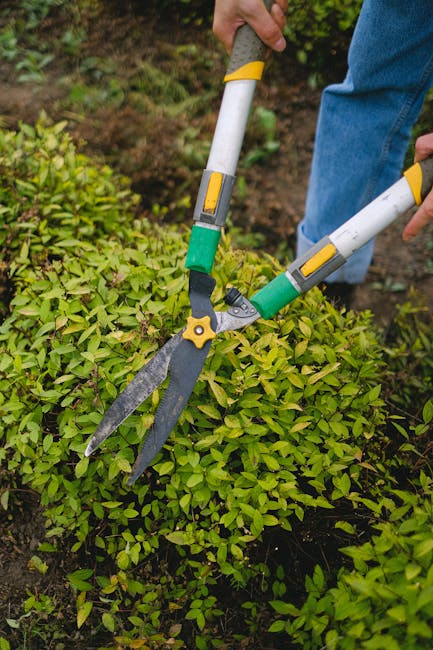
- Trim hedges and shrubs with purpose. Cut for shape, light, and safety. Do not shear everything into a harsh block unless that really suits the garden. Most plants prefer a lighter hand.
- Check for drainage and damp spots. Avery Hill gardens, like many London gardens, can hold moisture in shaded areas. That affects lawns, paths, and beds more than people expect.
- Feed and mulch where needed. Soil that looks tired often needs organic matter or mulch rather than more watering. Mulch also helps hold moisture and suppress weeds.
- Finish with edges and surfaces. Edging a lawn, sweeping paving, and clearing gutters or drains near the garden can change the whole feel of the space.
A useful rule of thumb: if a task is taking longer because the garden is physically overgrown, stop and reassess. You may need to clear first, prune second, and maintain third. The sequence matters more than people realise.
One of the most effective habits is to schedule tiny jobs. Ten minutes of weeding on a dry evening. Twenty minutes of edging on a Saturday morning. A seasonal hedge check before the growth gets wild. Boring? Maybe. Effective? Absolutely.
Expert tips for better results
There are a few habits that consistently improve results. They are not flashy, but they are the difference between a garden that stays in control and one that keeps drifting out of it.
1. Work with the soil, not against it. If soil is compacted, waterlogged, or full of debris, plants struggle no matter how often you trim the top growth. Aeration, top-dressing, and the right planting choices often matter more than people expect.
2. Keep tool edges sharp and clean. A blunt mower blade tears grass, which can leave the lawn looking pale or ragged. Dirty pruning tools can spread disease between plants. It is a small thing, but it shows.
3. Prune with the plant's shape in mind. Some shrubs look better with gentle thinning rather than hard chopping. If you remove too much at once, the plant may respond with weak, crowded regrowth. Not ideal.
4. Respect access points. Front gates, side passages, bin areas, and narrow paths all affect how maintenance is done. If access is awkward, the job often takes longer and needs a more careful setup.
5. Do seasonal checks before the weather turns. A windy spell can expose weak branches. Heavy rain can reveal poor drainage. Freezing weather can split tired pots or damage soft growth. A quick inspection before the season changes helps you stay ahead.
6. Think about sustainability. Composting green waste where suitable, reusing healthy prunings as mulch, and keeping surfaces tidy without overusing chemicals can all support a healthier garden. If you care about lower waste and smarter disposal, the page on recycling and sustainability is worth a look.
And yes, sometimes the expert tip is simply this: leave enough time for the job. A rushed trim usually shows. You can almost see it from the kitchen window at 7 p.m., which is never the look anyone wants.
Common mistakes to avoid
Most garden problems in domestic spaces come from a few familiar mistakes. The good news is that they are very avoidable once you know what to watch for.
- Cutting too much at once: Whether it is grass, shrubs, or hedges, overcutting creates stress and can leave bare or weak growth.
- Ignoring the first signs of trouble: Moss, yellowing lawn patches, leaning stems, and blocked drainage rarely fix themselves.
- Using the wrong tool for the job: A hedge trimmer is not a solution for thick old wood. A lawn mower is not a garden cleaner. You get the idea.
- Leaving clippings in damp corners: Wet plant waste can rot, smell unpleasant, and encourage pests or fungal issues.
- Working without a plan: Randomly trimming here and there can make the space look uneven and can actually create more work later.
- Waiting until the garden becomes overwhelming: Small, regular maintenance is far easier than one massive rescue operation.
Another mistake is assuming that a tidy garden is a low-maintenance garden. Those are not the same thing. A neat space can still need consistent attention, especially if it has fast-growing planting, mature hedges, or shaded corners that stay damp. The trick is matching the routine to the garden's actual needs, not the version of the garden you wish you had.
If the space has become too difficult to manage safely, especially because of height, heavy branches, or dense overgrowth, it is sensible to step back and seek professional support. That is not failure. It is good judgement.
Tools, resources and recommendations
You do not need a van full of equipment to maintain a typical Avery Hill garden well. A focused kit is often better than too much gear gathering dust in the shed.
| Task | Useful tools | What to watch for |
|---|---|---|
| Lawn care | Mower, edging shears, rake | Blunt blades, cutting too short, mowing wet grass |
| Hedges and shrubs | Hand shears, hedge trimmer, loppers | Hidden nesting birds, overcutting, unstable footing |
| Weeding and borders | Hand fork, trowel, hoe, gloves | Breaking roots in the soil, leaving seed heads behind |
| Clearing and tidying | Rake, bags, broom, barrow | Heavy waste, slippery surfaces, blocked access |
| Trees and larger growth | Pruners, saws, safety kit | Working at height, unstable limbs, overreaching |
If your maintenance needs are becoming broader, it can help to look at the wider service range in the services overview. That makes it easier to see whether you need regular upkeep, a one-off clean-up, or something more structural.
For pricing questions, especially if you are comparing regular visits with a one-time tidy-up, the page on pricing and quotes can help frame the discussion. It is always better to ask what is included than to guess. Guessing is how little misunderstandings become annoying ones.
If you are choosing a provider, look for clear communication, practical scheduling, and an approach that sounds like real maintenance rather than just a quick cut-and-go. You want someone who understands the garden's long-term condition, not just the surface finish on the day.
Law, compliance, standards, or best practice
Garden maintenance is not usually heavily regulated in the way some trades are, but there are still sensible UK best practices to keep in mind. Safety matters, especially with tools, ladders, ladders near hedges, and heavier work around trees or boundary structures.
If work involves height, sharp equipment, or removing larger growth, it is wise to treat safety as part of the job, not an afterthought. That includes stable footing, suitable protective equipment, and not pushing beyond what is reasonable for a homeowner to do. In practical terms, if a task feels awkward or risky, it probably is.
For professional services, good practice usually includes clear scope, clear pricing, appropriate insurance, and careful attention to property boundaries. It is sensible to check that the provider explains what will be done, what may be left for specialist attention, and how waste will be handled. The page on insurance and safety is useful for understanding the kind of reassurance a homeowner should expect.
Waste handling is another area where best practice matters. Green waste should be dealt with responsibly, and recyclable materials separated where practical. If a garden job produces more debris than expected, especially after a clearance, it is reassuring to know there is a clear disposal approach. That is one reason the page on recycling and sustainability can be helpful.
There is also a customer-service angle. If a company is handling your garden, you should expect transparent terms, understandable communication, and a route for feedback if something goes wrong. Those basics are not glamorous, but they matter. The pages on terms and conditions and complaints procedure reflect that kind of straightforward professionalism.
One more point: if your garden work involves a boundary tree, shared access, or concerns about structures, it is better to slow down and assess than to rush. Good maintenance is steady. Not dramatic.
Options, methods, or comparison table
Choosing the right maintenance approach depends on how much time you have, how overgrown the garden is, and what the space is used for. Here is a simple comparison to help.
| Approach | Best for | Advantages | Limitations |
|---|---|---|---|
| DIY upkeep | Small, manageable gardens and routine tasks | Low cost, flexible timing, hands-on control | Takes time, needs regular effort, limited by tools and confidence |
| Seasonal tidy-up | Gardens that are mostly under control but need periodic resets | Useful for spring and autumn, clears accumulated mess | Can drift if not followed by regular care |
| Regular maintenance service | Busy households, rental properties, and gardens that need consistency | Reliable, tidy-looking results, less stress | Ongoing commitment and planning needed |
| Clearance plus maintenance | Overgrown or neglected gardens | Creates a fresh start and makes future upkeep realistic | More intensive at the beginning |
The right answer is not always the same for everyone. A small patio garden may do brilliantly with short weekly sessions. A bigger family garden with hedges, trees, and a tired lawn may need a mix of DIY and professional input. If the garden has become hard to recognise under the growth, starting with clearance is often the cleanest path back to something manageable.
Case study or real-world example
Picture a typical Avery Hill garden after a few months of neglect. Nothing dramatic, just the usual drift. The lawn has gone patchy at the edges. The hedge has started leaning over the path. A border near the fence is packed with weeds and last year's dead stems. The patio is still usable, but only just.
In a case like that, the best approach is usually to avoid trying to do everything in one go. Start by clearing access. Remove loose debris, sweep the hard surfaces, and make the main path safe. Then deal with the lawn so you can see its actual condition. After that, cut back the hedge or shrub growth enough to open light and space. Finally, turn to the border, where weed removal and light reconditioning will make the biggest difference to the overall finish.
That order matters. If you begin with detailed trimming before clearing, you often create extra mess and lose the chance to see what is really happening in the space. If you mow before removing debris, you risk damaging the mower and ending up with an uneven result. If you leave the border until last, at least the work feels more rewarding because the space already looks calmer. There is a nice psychological effect to that, truth be told.
A homeowner in that situation might decide to handle the lighter tasks personally and bring in help for the bigger jobs. That is often a good balance. Routine mowing and light weeding stay in-house. Heavier hedge work, larger waste removal, or a one-off reset can be supported by professional services. Once the garden is back under control, the maintenance routine becomes much easier to sustain.
The lesson is simple: sequence beats panic. Most gardens can be turned around with clear priorities and a bit of patience.
Practical checklist
Use this checklist to keep your Avery Hill garden on track through the year. It is not fancy, but it works.
- Walk the garden weekly and note anything changing quickly.
- Remove debris, fallen branches, and clutter before starting detailed work.
- Mow the lawn at the right frequency for the season.
- Trim hedges lightly and regularly rather than waiting too long.
- Weed borders and paving joints before weeds seed.
- Check for damp, moss, or drainage issues after wet weather.
- Inspect trees, tall shrubs, and boundary growth for safety concerns.
- Sweep paths, patios, and decking so the garden feels finished.
- Mulch or feed beds where the soil looks tired.
- Book professional help for jobs that are tall, heavy, awkward, or unsafe.
Quick takeaway: the best maintenance routine is the one you can actually keep doing. A modest plan followed consistently will usually outperform a heroic once-a-season clean-up.
If you want help turning a tired outdoor space into something tidy and easy to maintain, explore the relevant services, compare what is included, and ask for a clear quote before the work begins. A little planning now can save a lot of effort later.
Get a free quote today and see how much you can save.
Conclusion
Avery Hill gardeners local garden maintenance tips are really about making life easier. Keep the routine simple. Watch how the garden behaves. Prioritise the jobs that protect the space rather than just prettify it. And do not wait until everything feels out of control before acting. That is the trap.
Whether you manage everything yourself or bring in support for heavier tasks, consistent care is what keeps a garden usable, attractive, and less demanding through the seasons. A well-kept garden does not need to be perfect. It just needs attention at the right time, and a bit of patience when the weather has other ideas.
Take it one step at a time, and the garden will meet you halfway.
Frequently Asked Questions
How often should a garden in Avery Hill be maintained?
Most gardens benefit from a light weekly check and more specific jobs at least every couple of weeks during the growing season. Lawns often need the most regular attention, while hedges, borders, and hard surfaces can usually run on a slower cycle. The key is consistency rather than intensity.
What are the most important local garden maintenance tasks?
For most Avery Hill gardens, the big ones are mowing, weeding, hedge care, leaf removal, border tidying, and checking for drainage or damp problems. If the garden has mature trees or heavier overgrowth, those areas may need special attention as well.
Is it better to clear an overgrown garden before maintaining it regularly?
Usually, yes. If a garden has become heavily overgrown, a proper clearance makes future maintenance much more realistic. Once the clutter and excess growth are removed, you can set a manageable routine instead of fighting against the mess every time.
Can I do most of the work myself?
Often you can handle light mowing, basic weeding, sweeping, and small-scale tidying yourself. Bigger jobs, such as tall hedges, large branches, or dense clearance work, are best left to someone with the right equipment and experience.
When should hedges be trimmed?
Hedges are usually best trimmed during active growth periods, but the exact timing depends on the plant type and how quickly it grows. A light, regular trim tends to be better than waiting for a huge cut-back. If in doubt, keep it modest and steady.
What should I do if my lawn is full of moss?
Moss often points to shade, moisture, compacted soil, or weak grass growth. A better approach is to improve the lawn conditions rather than just removing moss. That may mean adjusting mowing height, improving airflow, or dealing with drainage. Sometimes the lawn needs a proper reset.
How do I know if a garden job is too risky to do myself?
If you need to work at height, handle heavy branches, use power tools in awkward spaces, or clear unstable growth, it is probably beyond a safe DIY job. If the task feels difficult to set up safely, that is usually the signal to step back.
What is the difference between garden clearance and maintenance?
Garden clearance is about removing excess growth, waste, and clutter to restore control. Maintenance is the ongoing work that keeps the garden in good condition after that. Many people need both, just at different stages.
Do I need professional help for a small garden?
Not always. Small gardens can often be maintained by the owner with a sensible routine. That said, if time is tight or the garden has specific challenges, occasional professional help can still be worthwhile. Small does not automatically mean easy.
How can I keep maintenance costs under control?
The best way is to prevent problems from growing. Regular upkeep usually costs less in time and money than large one-off rescue jobs. It also helps to be clear about what needs doing, what can wait, and whether you need ongoing visits or a one-time tidy-up.
What should I ask before booking garden maintenance?
Ask what is included, how waste will be handled, whether the work is one-off or repeat, and if the provider can deal with any awkward or overgrown areas. It is also sensible to ask about insurance, safety, and any limitations on the job.
Where can I find more information about service options and trust signals?
You can review the service range through the services overview, learn more about the team on the about us page, and check practical details such as insurance and safety, pricing and quotes, and contact options if you are ready to ask a question. These pages help you make a more confident decision.